
LONELINESS AND ISOLATION
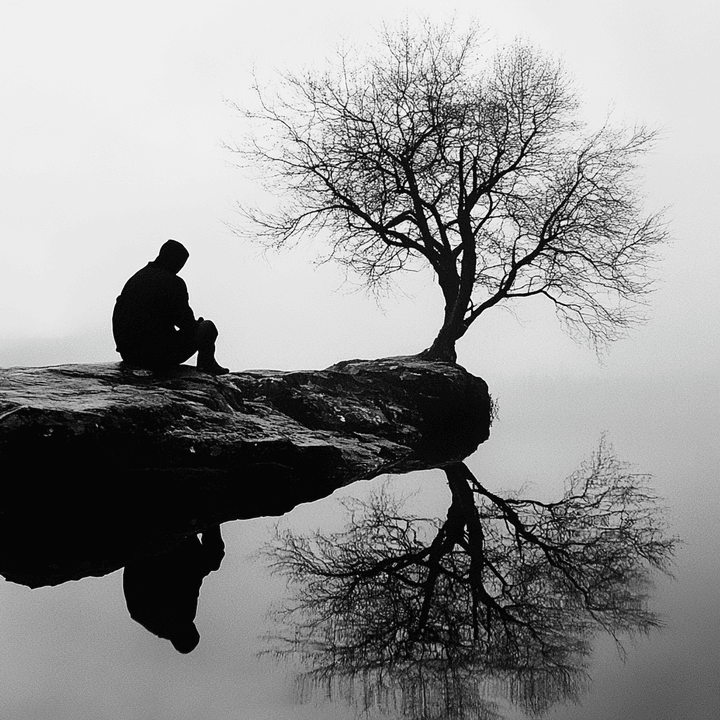
Loneliness and isolation are quiet struggles that many people face—but few talk about. Whether you feel physically alone or emotionally disconnected from the people around you, the experience can be painful, confusing, and even overwhelming. You might ask yourself, “Why do I feel like this?” or “What’s wrong with me?” The truth is: nothing is wrong with you. Loneliness and isolation are human experiences—and you don’t have to go through them alone. Understanding Loneliness and Isolation While they often go hand in hand, loneliness and isolation are not quite the same: • Isolation refers to being physically separated from others or withdrawn from social interaction. This can be voluntary or unintentional. • Loneliness is the emotional experience of feeling disconnected—even when you’re not physically alone. You may be in a crowded room or surrounded by friends and still feel unseen or misunderstood.
The hidden impact
• Anxiety or depression • Low self-esteem or self-worth • Fatigue, sleep issues, and health problems • Increased stress and emotional overwhelm • Difficulty building or maintaining relationships
You don’t have to face loneliness in silence. Together, we can:
• Understand the root causes of your loneliness or isolation, uncovering patterns that keep you feeling disconnected. • Work through barriers like social anxiety, fear of rejection, or past wounds that make connection feel daunting. • Build practical tools to reconnect with yourself and others, such as small social steps or self-care routines. • Strengthen your confidence so you can form meaningful relationships and maintain healthy boundaries. • Rediscover a sense of belonging and purpose, helping you feel seen, understood, and supported.